



Some babies were stolen at birth. Others were given away at birth as their desperate, dirt-poor mothers simply couldn’t afford another mouth to feed. In all, hundreds of babies were born and illegally sold out of Hicks Community Clinic in McCaysville, Ga., in the early 1950s to mid 1960s, their real identities completely erased.

This lucrative, black-market baby operation was the work of Dr. Thomas Hicks, an abortion doctor well-known for being able to fix female problems for about $100. Hicks pretty much ran this tiny copper-mining town located in the backwoods of northern Georgia. He assumed a godlike role, deciding who was worthy of children and who wasn’t, and sold many of the babies to desperate couples in the Cleveland-Akron area.
Jane Blasio was one of those babies. Her adoptive parents went to the back of Hicks’ clinic, where they were handed baby Jane with dried blood on her — not knowing if she would survive.
“From the time I was 5 or 6, when my adoptive parents told my sister and I that we were adopted, and that I knew it was black market, that it was illegal, [I was interested],” Blasio explained. “I always had this kind of cloud in the back that was, ‘I got to find my birth family. I have to find them.’”
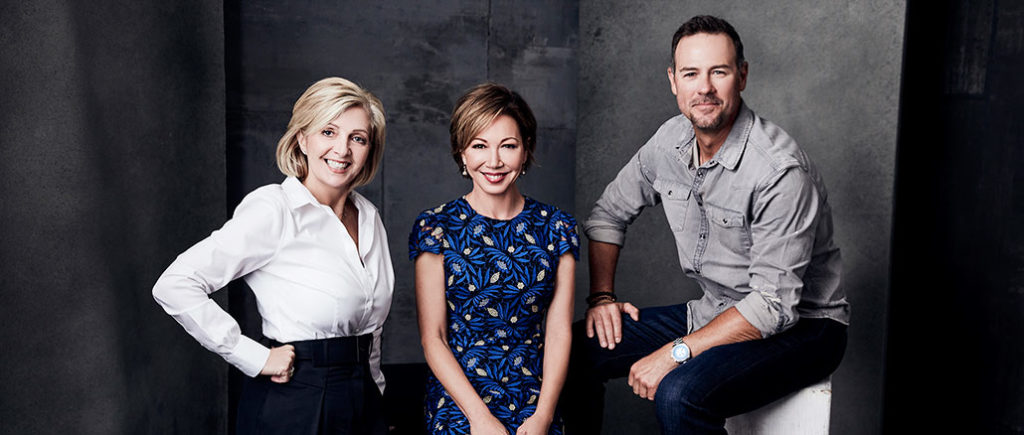
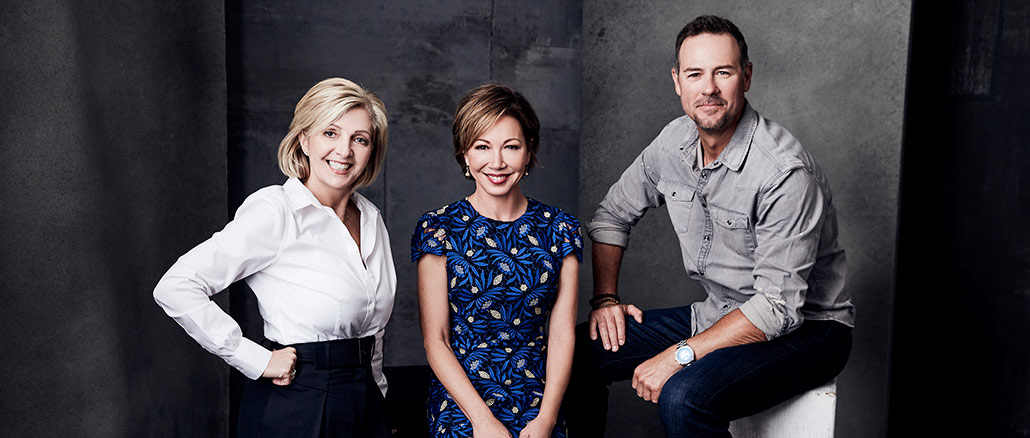
Blasio’s journey to find other Hicks babies and help them find information about their birth parents is told in the TLC three-night series Taken at Birth (Oct. 9-11 at 9pm ET/PT). Helping her in this story of loss and reunion are Long Lost Family hosts Chris Jacobs and Lisa Joyner, adoptees themselves.
Having dedicated her life to learning the truth about Hicks and serving as the lead investigator in this case, Blasio was able to find her birth parents through DNA registries. “My mother is alive, but she is denying that she had me,” she shared. “My father had passed, gosh, almost 20 years ago, so he was much older. I have a sister and three brothers on that side.”
But with knowledge also comes some closure. “I know everything about what I had been seeking,” she said. “I’m so thankful for the DNA registries and how DNA technology has moved forward so much. If we would have had that same DNA database and the internet back in ’97-98, I’m estimating about 90% of our cases would have been closed and we would have had birth families for them, but we’re working with what we have now.”